The end of treatment can feel like the start of uncertainty.
Survivors described feeling adrift once treatment ended—unsure where to find trustworthy information or emotional support. Clinicians worried about misinformation and the lack of structured post-treatment planning.

Sensitive conversations required deliberate preparation.
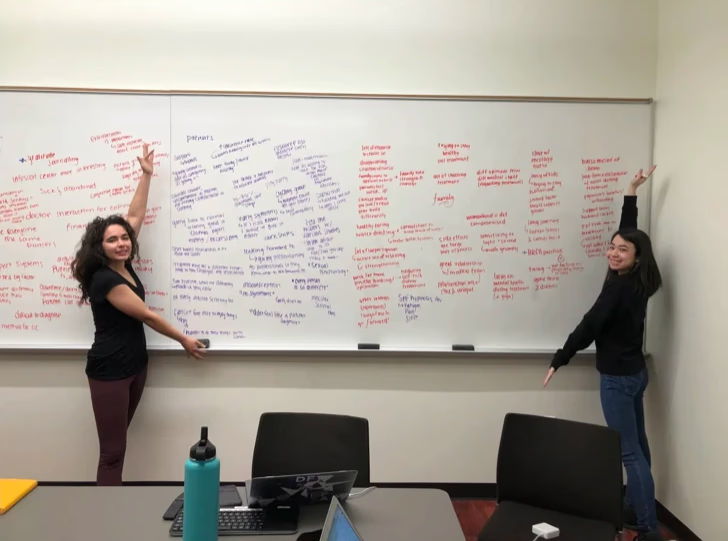
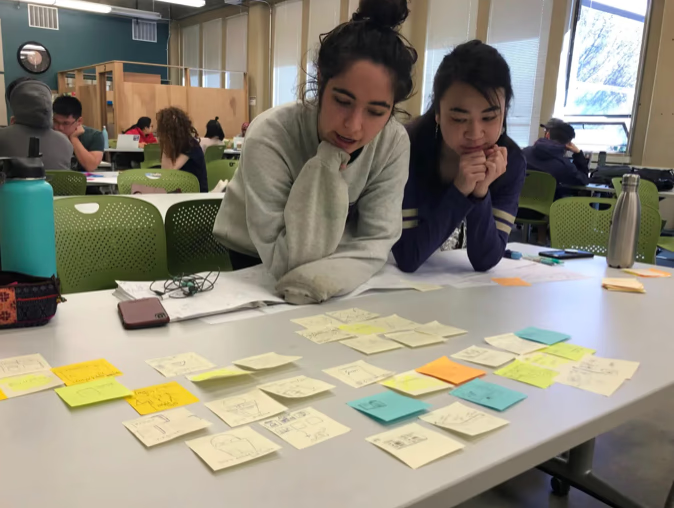
Because survivorship is personal and emotionally complex, the research plan used carefully sequenced scripts and facilitation techniques to create safety while guiding discussion toward actionable needs. Interviews with survivors, oncologists, and nurses revealed three priorities: education, support, and connection.
“I spend a lot of time telling patients where not to look and what not to search.”
Oncologist interview
A safe starting point for post-treatment recovery.
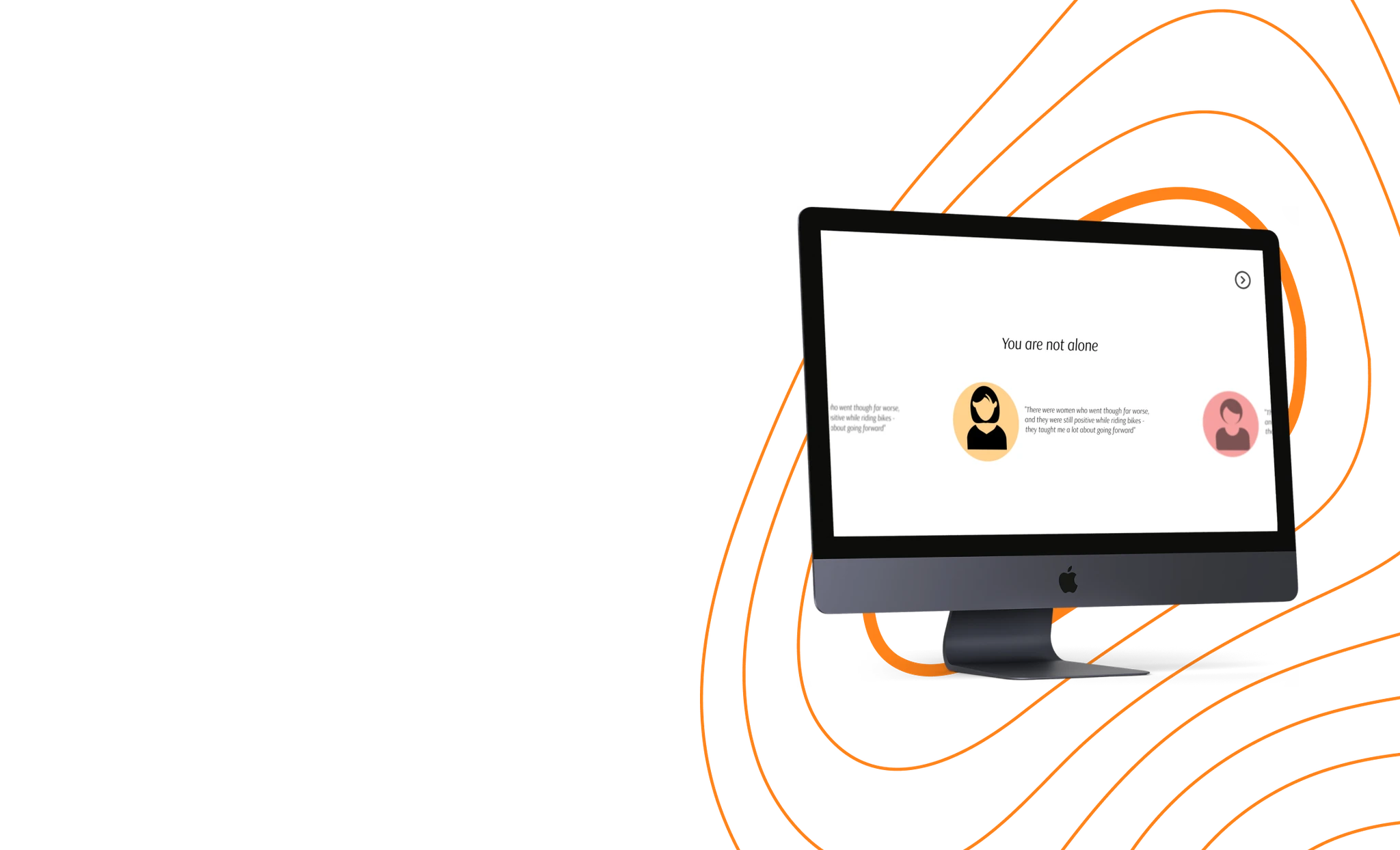
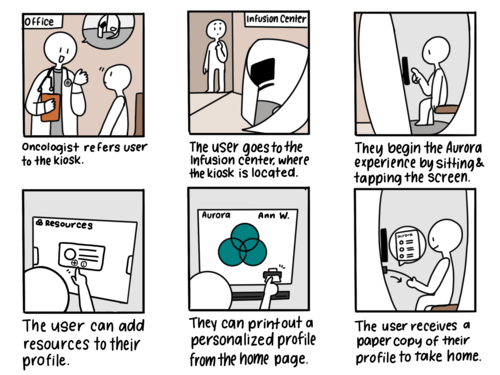
Aurora is a research and support kiosk placed on oncology floors. Its calm, private experience connects survivors with trustworthy information, relevant groups, and a network of peers at their own pace.
- Personalized onboarding and curated resources
- Privacy controls for anonymous participation
- Content organized around connection, education, and support
- Printed take-home summaries for continued access
The work moved beyond the classroom.
The project reinforced that rigorous research and deep empathy can coexist. Thoughtful scripts created space for honest conversation, while synthesis kept the team focused on actionable needs.
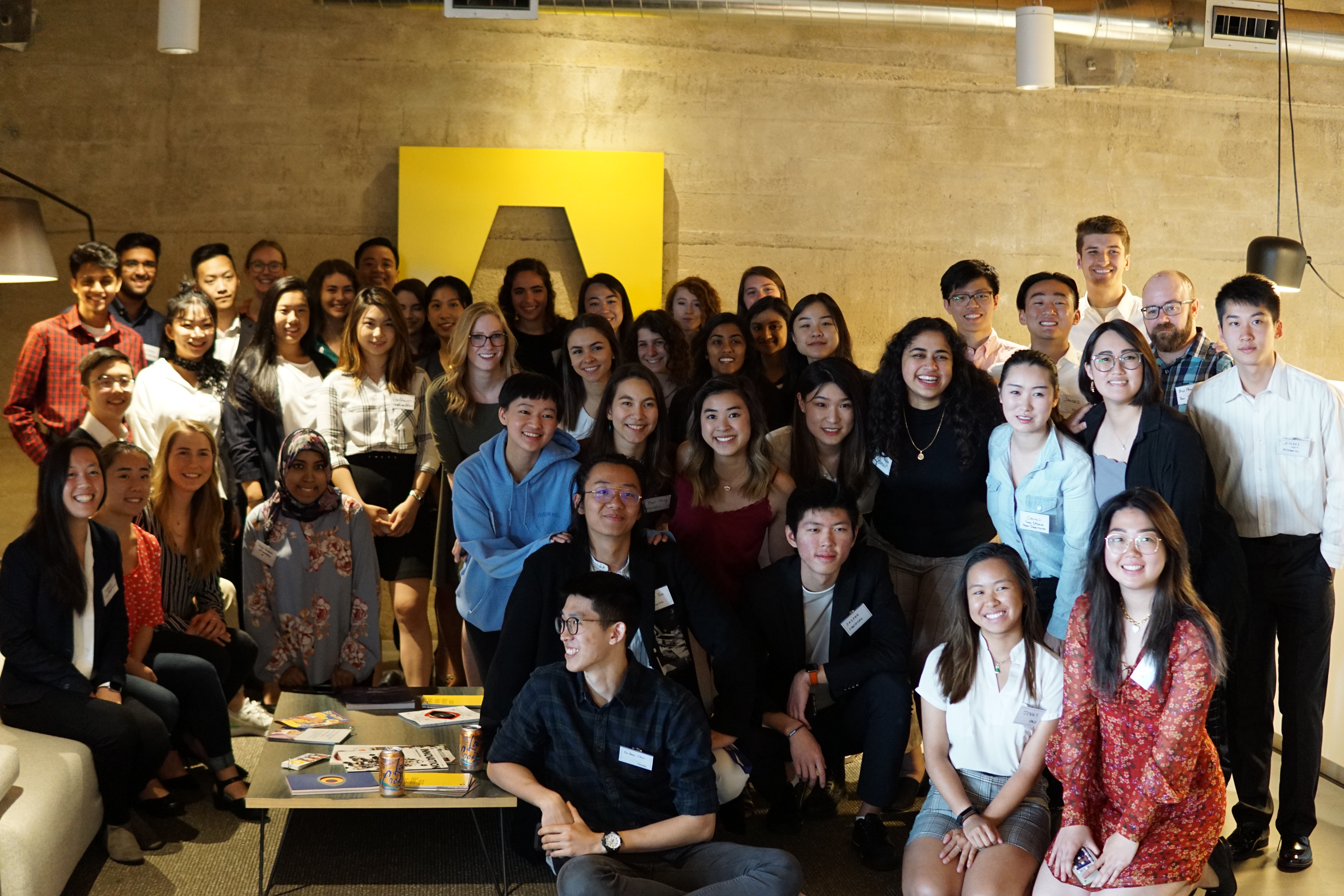
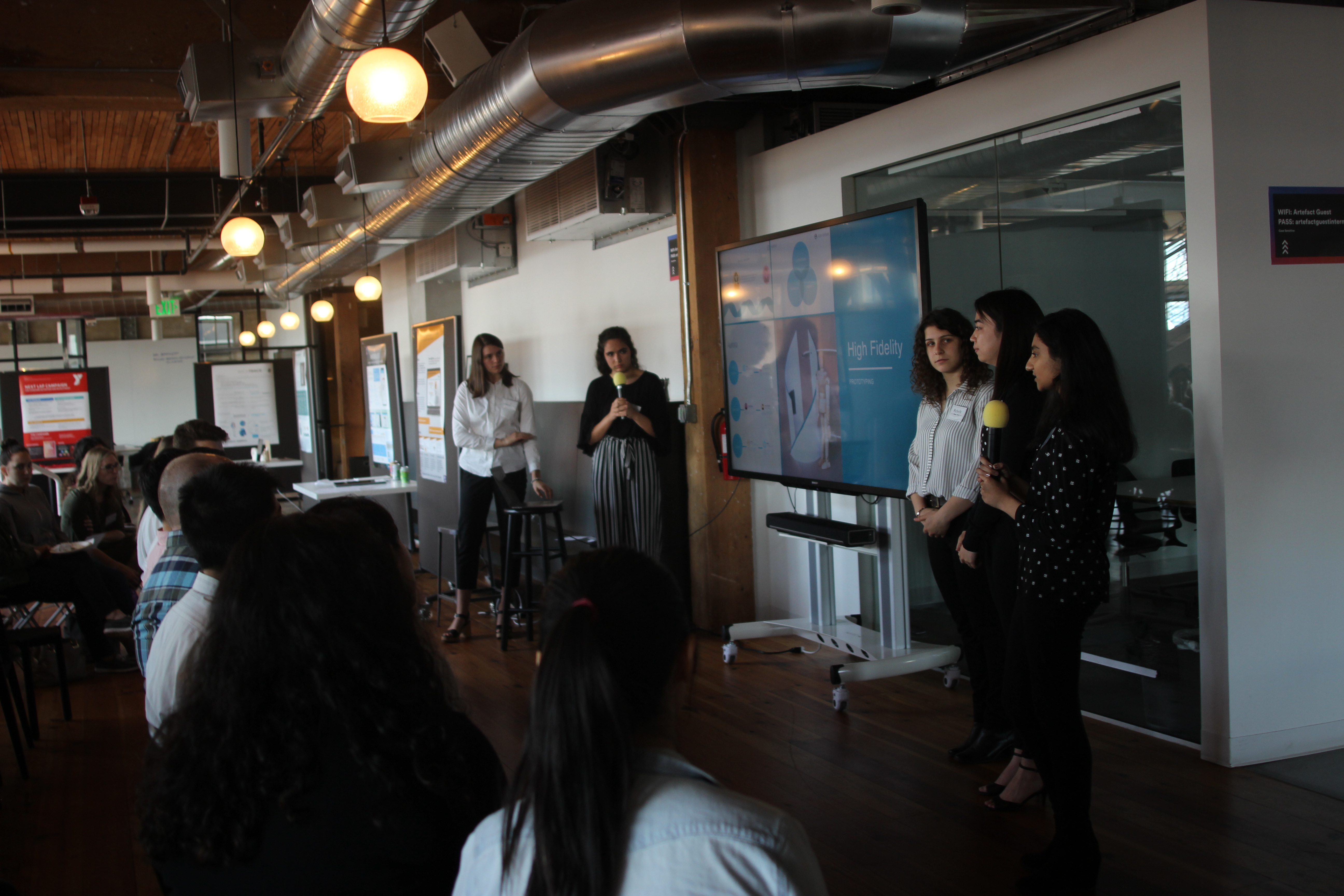
The work concluded with a presentation of the research, system concept, and prototype at Artefact design studio in Seattle, Washington.